


Table of Contents
ToggleLuxury Interior Design
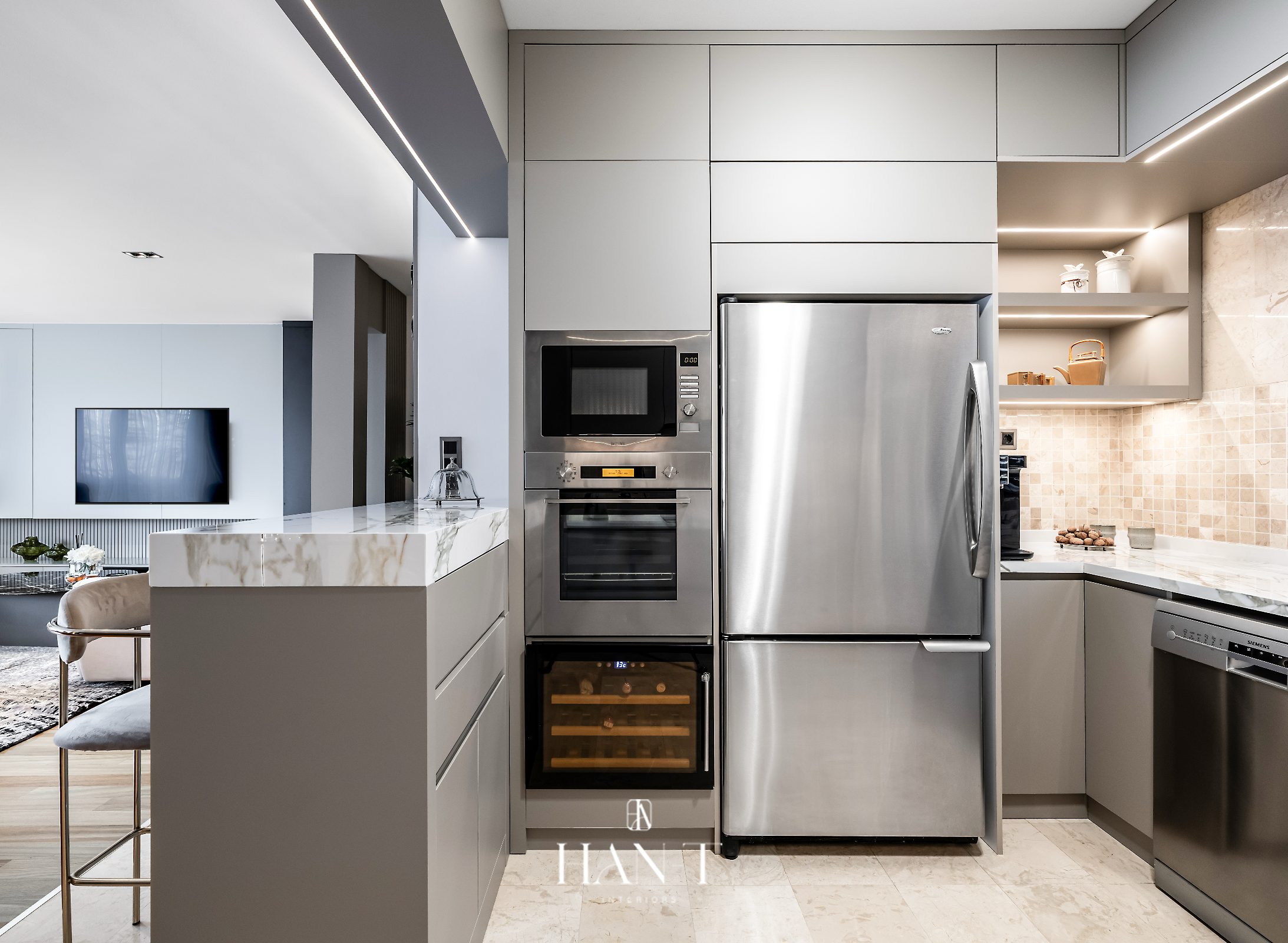
Luxury interior design is more than the selection of premium materials, elegant furniture, or visually appealing spaces. True luxury lies in creating environments that combine beauty, functionality, comfort, and individuality. In today’s world, luxury interiors are no longer defined solely by opulence; they are defined by thoughtful design, tailored solutions, and timeless aesthetics that continue to inspire for years to come.
Whether in residential, hospitality, retail, or commercial projects, luxury interior design plays a critical role in shaping how people experience and interact with a space. A well-designed interior reflects the identity of its users while enhancing everyday living through intelligent planning, high-quality craftsmanship, and attention to detail.
What Defines Luxury Interior Design?
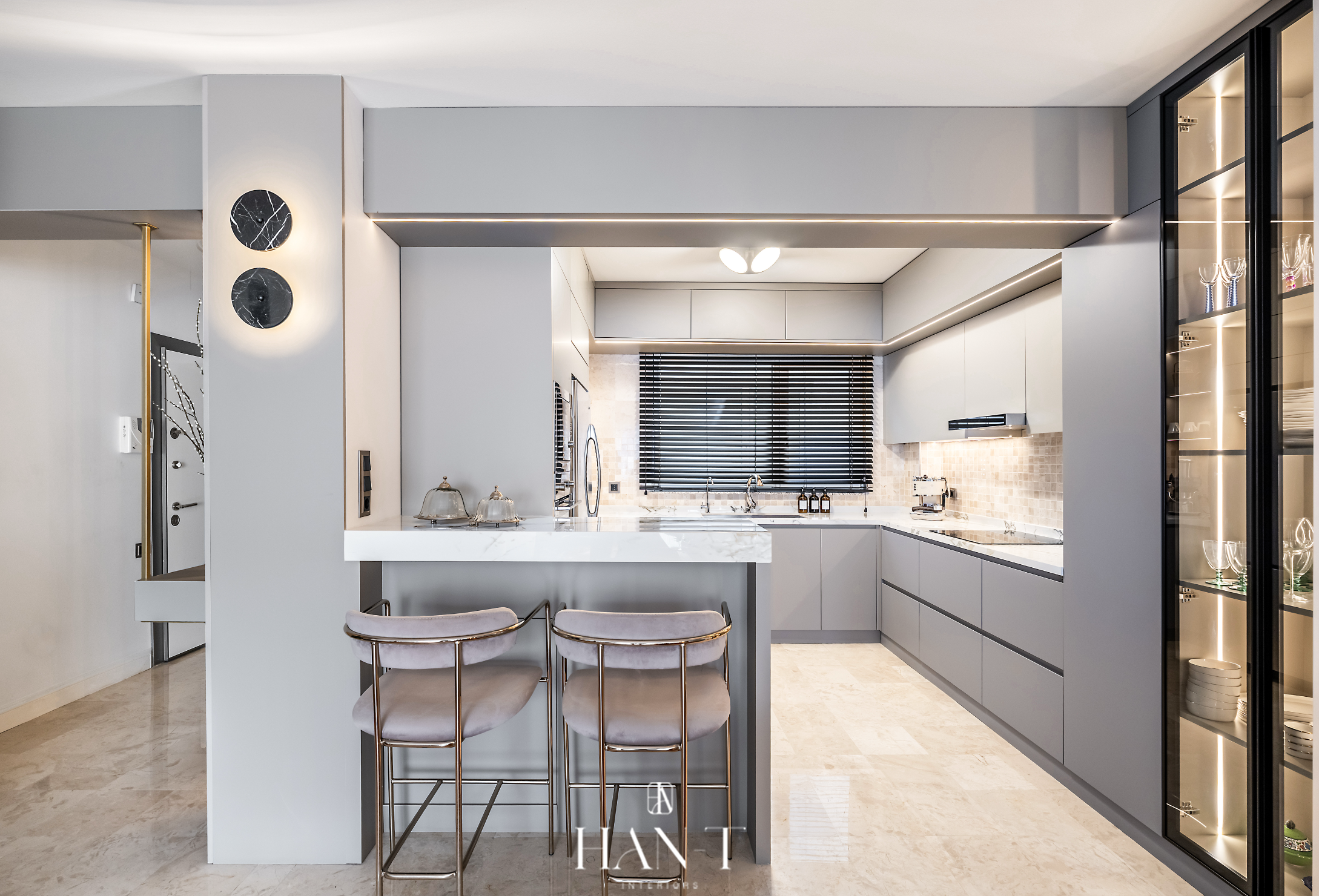
Luxury interior design is characterized by a seamless integration of architecture, materials, furniture, lighting, and spatial planning. Unlike standard interior design projects, luxury spaces are carefully tailored to meet the unique needs and aspirations of their users.
Several key elements define a luxury interior:
- Personalized design solutions
- Premium materials and finishes
- Custom furniture and joinery
- Architectural consistency
- Sophisticated lighting design
- Timeless aesthetics
- Superior craftsmanship
Luxury design is not about excess. It is about creating spaces that feel balanced, refined, and effortlessly functional.
The Importance of Timeless Design
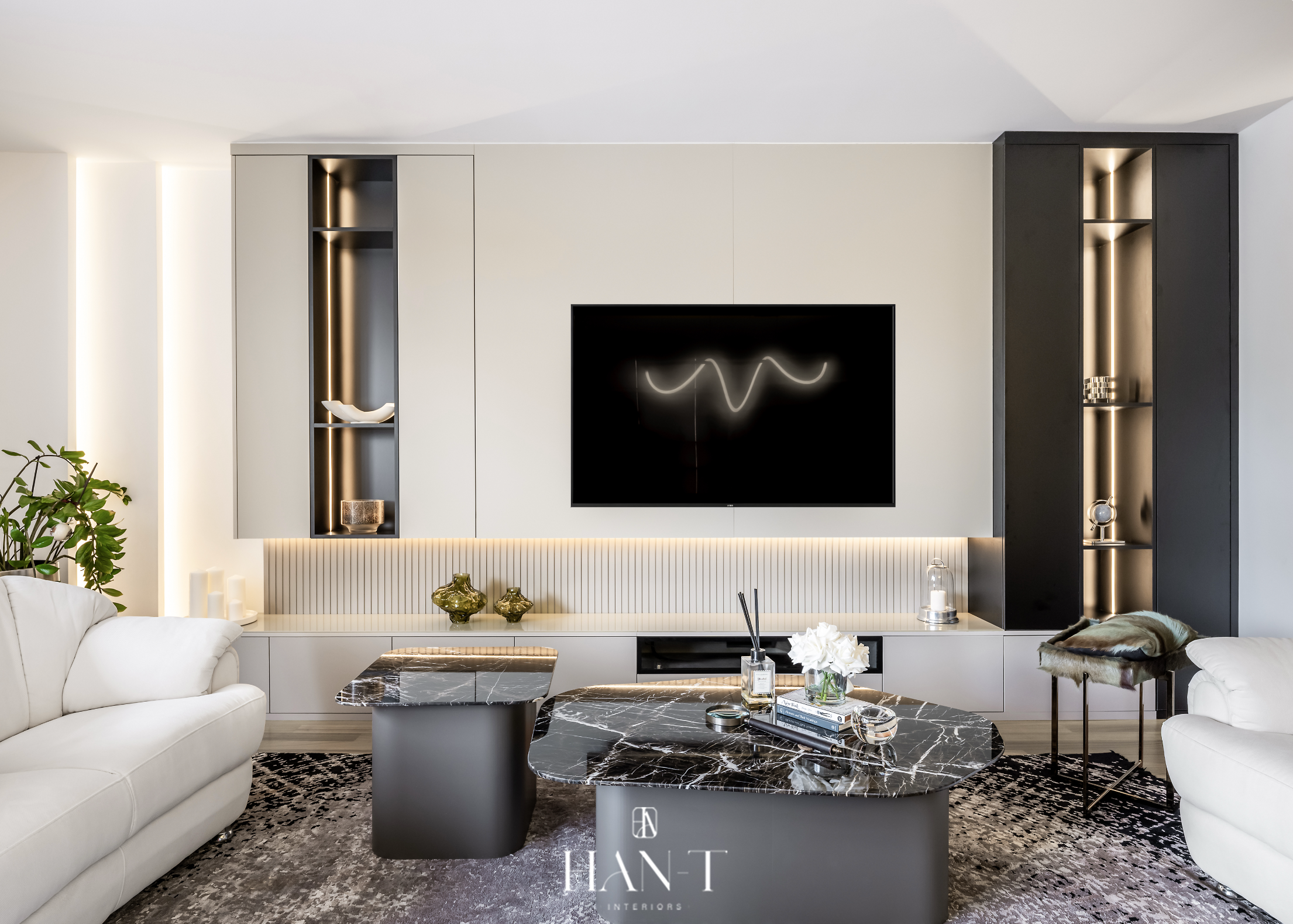
One of the most valuable principles in luxury interior design is timelessness. Trends come and go, but timeless interiors remain relevant and beautiful regardless of changing styles.
A timeless living space is built on a foundation of quality materials, thoughtful proportions, and carefully selected design elements. Neutral palettes, natural textures, custom-made furnishings, and architectural harmony contribute to interiors that maintain their appeal for decades.
Investing in timeless design offers several benefits:
- Long-term aesthetic value
- Increased property appeal
- Reduced renovation costs
- Greater adaptability to evolving lifestyles
- Enhanced comfort and functionality
Timeless interiors prioritize quality over temporary trends, ensuring that every design decision contributes to lasting value.
The Role of Interior Architecture
Luxury interior design begins with a strong architectural foundation. Interior architecture focuses on how spaces function, flow, and connect with the people who use them.
An effective interior architecture strategy considers:
- Space planning
- Natural light optimization
- Circulation and movement
- Material transitions
- Functional zoning
- Visual balance
Rather than treating furniture and decoration as separate elements, luxury projects integrate every component into a cohesive architectural vision. This approach creates environments that feel intentional and harmonious from every perspective.
While Japandi emphasizes clean lines, subtle curves in sofa designs add softness and visual interest. Rounded edges can balance the linear aspects of furniture and architecture, making the living space feel more inviting and harmonious. Modular sofas are increasingly popular in Japandi interiors because they offer flexibility without compromising aesthetic simplicity. These sofas can adapt to various room layouts, providing functional seating while keeping the space organized and uncluttered.