


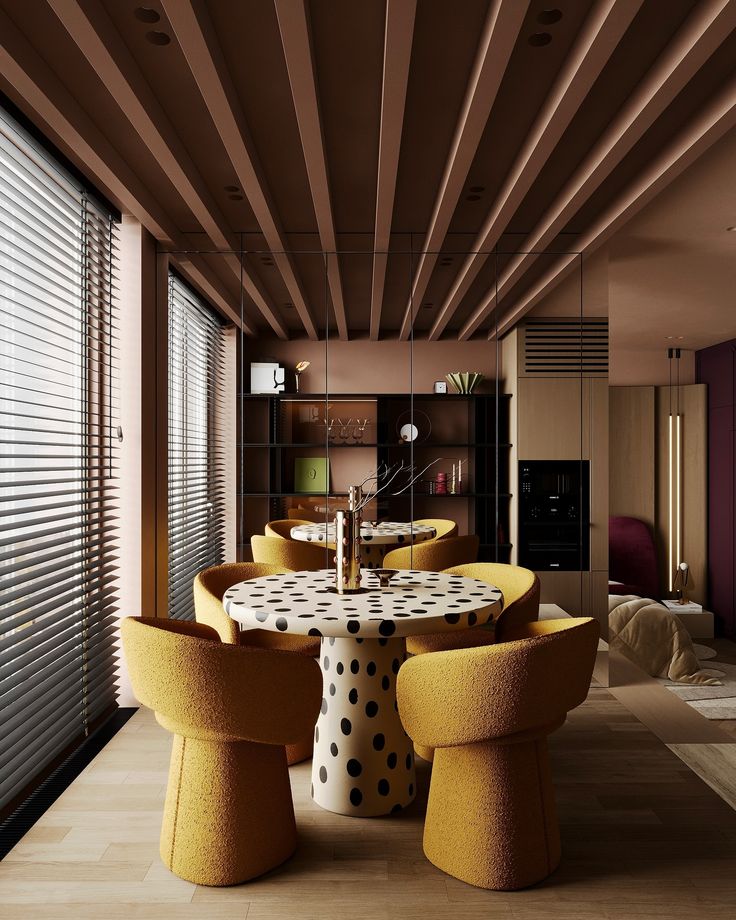
Great interiors are not created by furniture and decoration alone. The real quality of a sophisticated interior is often found in the details that are carefully integrated into the architecture. Custom joinery is one of the most important elements behind these details, allowing designers and manufacturers to transform an interior concept into a functional, cohesive, and highly personalized space.
From bespoke wardrobes and kitchens to wall paneling, reception desks, libraries, built-in storage, hotel furniture, and retail displays, custom joinery provides solutions that standard furniture simply cannot achieve.
For luxury residential and commercial projects, joinery is especially important because every millimeter matters. The proportions of a cabinet, the alignment of a panel, the quality of a wood finish, and the way different materials meet can significantly influence the overall perception of a space.
At HAN-T, custom joinery combines interior architecture, furniture design, precision manufacturing, and professional installation to create interiors where functionality and craftsmanship work together.
What Is Custom Joinery?
Custom joinery refers to the design and manufacture of built-in or specially made wooden and furniture elements according to the exact requirements of a particular interior.
Unlike mass-produced furniture, custom joinery is developed specifically for a space. Measurements, materials, finishes, hardware, storage requirements, and architectural details are considered during the design process.
Custom joinery can include:
- Built-in wardrobes
- Kitchen cabinetry
- Wall panels
- TV units
- Libraries
- Shelving systems
- Reception desks
- Hotel furniture
- Restaurant furniture
- Retail displays
- Office storage
- Doors and partitions
- Walk-in closets
- Vanity units
- Bespoke cabinets
The result is an interior where furniture and architecture appear to belong to the same design language.
Why Custom Joinery Matters in Interior Design
Interior design establishes the visual and functional direction of a project, but custom joinery helps bring that vision into reality.
A beautiful concept can lose its impact if furniture does not fit correctly, storage is inefficient, or materials are poorly coordinated.
Custom joinery solves these challenges by creating furniture that responds directly to the architecture.
For example, a wall with an unusual angle can be difficult to furnish using standard cabinets. A custom solution can follow the exact geometry of the wall while maximizing available storage.
Similarly, a luxury villa may require a wardrobe system that integrates lighting, drawers, shelving, hanging areas, mirrors, and decorative finishes. A standard wardrobe rarely provides the same level of personalization.
This is why custom joinery has become a fundamental component of high-end interior architecture.
Custom Joinery vs. Standard Furniture
The difference between custom joinery and standard furniture goes beyond appearance.
Standard furniture is manufactured according to predefined dimensions. It is designed to suit a broad market rather than a specific architectural environment.
Custom joinery, on the other hand, is designed around the project.
This provides several advantages.
Perfect Fit
Every cabinet, panel, and built-in element can be manufactured according to exact measurements.
Better Space Utilization
Unused corners, walls, niches, and difficult architectural areas can be transformed into functional storage.
Complete Design Integration
Furniture can be designed to match flooring, walls, ceilings, doors, lighting, and architectural details.
Material Flexibility
Clients can select specific woods, veneers, laminates, metals, glass, stones, fabrics, and finishes.
Personalization
Every element can be adapted to the client’s lifestyle, brand identity, or operational requirements.
For luxury projects, this level of personalization creates an environment that feels unique rather than generic.
The Role of Joinery in Luxury Interior Design
Luxury interior design is defined by attention to detail. Expensive materials alone do not create a luxury environment. The quality of craftsmanship, proportions, finishing, and installation are equally important.
Custom joinery allows designers to create refined details such as concealed doors, flush cabinetry, integrated lighting, shadow gaps, handleless systems, decorative wall panels, and carefully aligned material transitions.
These details create visual continuity throughout the interior.
A luxury living room, for example, may include a full-height media wall with integrated storage, concealed technical equipment, decorative lighting, and natural wood panels. Rather than appearing as separate furniture pieces, the entire installation becomes part of the architecture.
This integration is one of the defining characteristics of sophisticated interiors.
Materials Used in Custom Joinery
Material selection plays a major role in the appearance and durability of custom joinery.
Natural Wood
Natural wood provides warmth, texture, and character. Oak, walnut, ash, and other timber species can be used depending on the project’s aesthetic and performance requirements.
Wood Veneer
Wood veneer provides the appearance of natural timber while allowing designers to achieve consistent patterns across large surfaces.
MDF and Engineered Boards
Engineered boards are commonly used for cabinetry and architectural panels because they provide dimensional stability and can be finished in a wide range of materials.
Lacquer
Lacquered surfaces can create sophisticated matte or glossy finishes and are particularly effective in contemporary interiors.
Glass
Glass can introduce transparency and visual lightness into cabinets, wardrobes, and display systems.
Metal
Brass, stainless steel, aluminum, and other metals can be incorporated into handles, frames, trims, and decorative details.
Stone and Solid Surfaces
Stone and engineered surfaces can be integrated into vanity units, kitchen islands, reception desks, and luxury furniture.
The best results often come from combining several materials while maintaining a consistent design language.
Custom Joinery for Luxury Villas
Luxury villas often contain complex architectural layouts and require highly personalized interiors.
Custom joinery can transform individual rooms while creating visual continuity throughout the property.
In living rooms, bespoke media walls, libraries, shelving systems, and storage solutions can become architectural features.
In bedrooms, custom wardrobes and dressing rooms can maximize storage while maintaining a clean aesthetic.
In kitchens, cabinetry can be designed around appliances, islands, lighting, and circulation requirements.
Bathrooms can benefit from bespoke vanity units, mirrors, storage systems, and integrated lighting.
The result is a home where every element has been designed specifically for the people who live there.
Custom Joinery for Hotels
Hotels require a different approach because design must be combined with durability, maintenance, and operational efficiency.
Hotel joinery can include:
- Reception desks
- Guest room wardrobes
- Bedside units
- Headboards
- Minibars
- Bathroom vanities
- Lobby furniture
- Restaurant cabinetry
- Bar counters
- Decorative wall panels
Every element must withstand frequent use while maintaining its appearance.
Custom manufacturing allows hotel operators and designers to maintain consistent quality across multiple rooms and public areas.
For boutique and luxury hotels, bespoke joinery can also strengthen brand identity by creating distinctive architectural details that guests remember.
Custom Joinery for Offices
Modern offices require flexible and efficient storage solutions.
Custom joinery can be used to create:
- Reception desks
- Executive office furniture
- Meeting room storage
- Built-in shelving
- Library walls
- Kitchen units
- Acoustic storage systems
- Display cabinets
In corporate environments, joinery can also reinforce brand identity through colors, materials, logos, and architectural detailing.
A well-designed reception desk, for example, can become an important visual representation of the company’s identity.
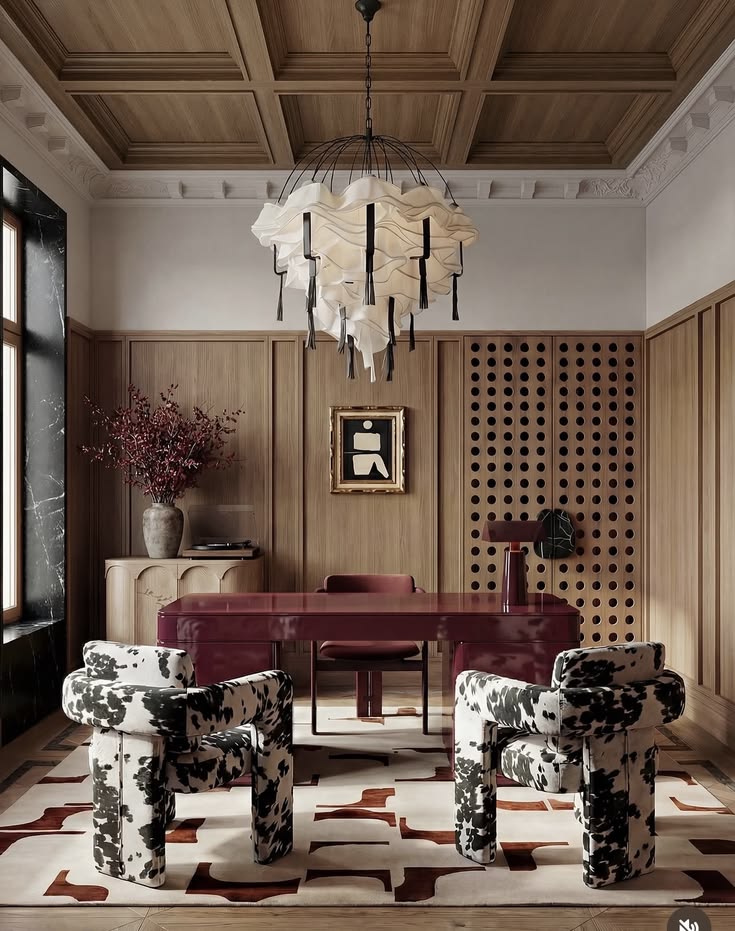
Custom Joinery for Retail Spaces
Retail environments depend heavily on presentation.Products need to be displayed clearly while the interior communicates the brand’s identity.
Custom retail joinery can include display walls, shelving systems, cash desks, fitting rooms, product counters, and storage areas.
Every element can be manufactured according to the dimensions of the store and the requirements of the products being displayed.
This allows retailers to create a consistent customer journey throughout the space. In luxury retail, the quality of joinery is especially important because customers associate the physical environment with the quality of the brand itself.
The Custom Joinery Process
Professional custom joinery requires a structured workflow.
1. Site Measurement
The first stage is accurate measurement of the project. Walls, ceilings, floors, electrical points, windows, doors, and architectural features must all be documented. Accuracy at this stage prevents problems during manufacturing and installation.
2. Design Development
Designers translate the architectural concept into detailed joinery solutions. This includes dimensions, materials, finishes, hardware, storage requirements, and decorative details.
3. Technical Drawings
Detailed technical drawings are prepared before production. These drawings define how each component will be manufactured and installed.
4. Material Approval
Samples are presented to the client or design team for approval. Wood veneers, finishes, fabrics, metals, handles, glass, and other materials are reviewed before manufacturing begins.
5. Manufacturing
Once approved, production begins.Modern manufacturing equipment ensures precision, while skilled craftsmen handle finishing and detailed assembly.
6. Quality Control
Every component should be inspected before leaving the factory. Dimensions, surfaces, edges, hardware, finishes, and overall construction are checked carefully.
7. Installation
The final stage is installation on site. Experienced installation teams ensure that every component aligns correctly with the architecture. This is where precision manufacturing becomes visible in the finished interior.
Why Precision Matters
Custom joinery is often measured in millimeters.
A small measurement error can create visible gaps between cabinets, panels, doors, and ceilings.
In high-end interiors, these imperfections can significantly affect the final appearance.Precision manufacturing therefore plays a critical role.
At HAN-T, production and installation are closely connected, allowing manufacturing details to be considered during the design stage and ensuring the final installation matches the approved concept.
Custom Joinery and Sustainability
Sustainable joinery is becoming increasingly important for modern interior projects.
Responsible material selection, durable construction, efficient manufacturing, and long-lasting finishes can reduce waste and extend the lifespan of furniture.
Instead of replacing mass-produced furniture every few years, high-quality custom joinery can remain functional and visually relevant for decades.
Sustainable solutions may include responsibly sourced timber, low-emission finishes, durable materials, energy-efficient production processes, and designs that can be repaired or adapted over time.
The Importance of Professional Installation
Even the highest-quality joinery can fail if installation is poorly executed.
Installation requires experience with architectural tolerances, leveling, alignment, lighting integration, electrical coordination, and material protection.
Professional installers ensure that furniture fits correctly and that the final result reflects the original design.
For international projects, coordination between manufacturing, logistics, and installation becomes even more important.
Custom Joinery as an Investment
Custom joinery should not be viewed simply as an additional interior expense.
It can be a long-term investment in the functionality, aesthetics, and value of a property.
Well-designed cabinetry provides better storage, improves space utilization, strengthens architectural identity, and creates a more cohesive interior.
In commercial environments, high-quality joinery can also improve customer perception and reinforce brand positioning.
For luxury properties, these details can contribute significantly to the overall experience and perceived value of the space.
Why Choose HAN-T for Custom Joinery?
HAN-T combines interior design, interior architecture, custom furniture manufacturing, and project execution within one integrated process.
This allows design decisions to be considered from both an aesthetic and manufacturing perspective.
Our approach includes:
Interior Architecture
Custom Furniture Design
Wood Manufacturing
Precision Joinery
Material Selection
Quality Control
Project Management
Installation
Turnkey Interior Execution
By combining these capabilities, HAN-T can deliver consistent results across residential, hospitality, office, and retail projects. The goal is not simply to manufacture furniture.
The goal is to create architectural elements that become an integral part of the interior.
Conclusion
Custom joinery is often the detail that separates an ordinary interior from an exceptional one.
From precisely fitted wardrobes and kitchens to sophisticated wall panels, reception desks, hotel furniture, and retail displays, bespoke joinery allows every part of an interior to respond to its architecture and its users.
The combination of accurate measurements, thoughtful design, premium materials, precision manufacturing, and professional installation creates interiors that are functional, durable, and visually refined.
For luxury residential and commercial projects, custom joinery provides the flexibility required to achieve truly personalized results.
At HAN-T, we bring together interior architecture, furniture design, manufacturing, and turnkey execution to transform design concepts into precisely crafted interiors.
If you are planning a luxury villa, hotel, office, restaurant, or retail project, custom joinery can help turn your interior vision into a space where every detail has a purpose.
Contact HAN-T to discuss your next project and discover how bespoke joinery can elevate your interior.
[…] work in custom joinery and luxury kitchen interiors shows how furniture, equipment and services can become part of one […]