


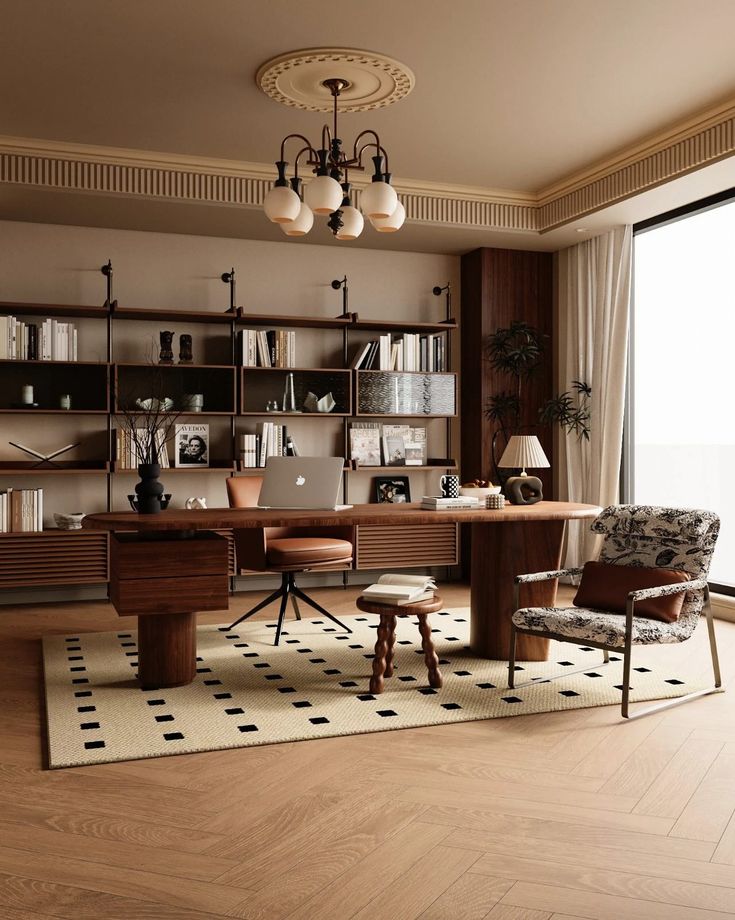
The Complete Guide to Luxury Interior Design
Luxury interior design is about far more than expensive materials or elegant furniture. It is the art of creating spaces that combine beauty, functionality, craftsmanship, and individuality into a seamless living experience. True luxury is not defined by excess—it is defined by quality, attention to detail, and timeless design.
Whether designing a private villa, a luxury apartment, a boutique hotel, or a corporate headquarters, successful luxury interiors are created through a balance of architecture, interior design, custom manufacturing, and flawless execution.
What Is Luxury Interior Design?
Luxury interior design is a comprehensive approach to creating premium living and working environments. Every decision—from space planning to material selection—is made with long-term quality and user experience in mind.
Unlike standard interior design, luxury projects focus on exclusivity. Every detail is carefully considered to create spaces that feel unique, comfortable, and sophisticated.
Luxury design often includes:
- Bespoke furniture
- Premium natural materials
- Architectural detailing
- Intelligent lighting
- High-quality craftsmanship
- Personalized layouts
- Integrated technology
The result is an environment that reflects the owner’s lifestyle while maintaining timeless elegance.
The Foundation of Luxury Design
Every successful luxury project begins with thoughtful planning.
Designers first analyze how the space will be used before considering aesthetics. Traffic flow, natural lighting, privacy, functionality, and architectural proportions all influence the final design.
A beautiful interior that does not function efficiently can never be considered truly luxurious.
Interior Architecture Comes First
Luxury interiors begin with strong interior architecture.
This stage includes:
- Space planning
- Ceiling design
- Wall composition
- Floor layouts
- Lighting integration
- Structural coordination
Interior architecture creates the framework upon which interior design is built.
Without proper architectural planning, even the most expensive finishes cannot create a truly exceptional space.
Premium Materials Make the Difference
Material selection is one of the defining characteristics of luxury interiors.
Popular materials include:
- Natural marble
- Travertine
- Limestone
- Solid wood
- Bronze details
- Premium fabrics
- Handmade ceramics
Luxury projects prioritize durability and authenticity over short-term trends.
Natural materials also age beautifully, making them ideal for timeless interiors.
Bespoke Furniture Defines Luxury
Custom furniture has become essential in luxury residential and commercial interiors.
Instead of selecting standard products, designers create furniture specifically for each project.
Benefits include:
- Better space utilization
- Unique aesthetics
- Higher quality
- Personalized functionality
Bespoke furniture also ensures consistency between architecture and interior design.
Lighting Creates Atmosphere
Lighting is often called the invisible material of interior design.
Luxury projects combine several lighting layers:
- Ambient lighting
- Accent lighting
- Task lighting
- Decorative fixtures
Modern lighting systems are integrated into the architecture, creating warm and sophisticated environments while improving comfort.
Color Palettes in Luxury Interiors
Luxury interiors rarely rely on bold colors.
Instead, designers prefer timeless palettes such as:
- Warm whites
- Beige
- Taupe
- Soft gray
- Earth tones
- Olive green
- Natural wood finishes
These colors create calm, elegant environments that remain stylish for many years.
Smart Home Integration
Technology has become a natural component of luxury interiors.
Today’s premium homes integrate:
- Smart lighting
- Climate control
- Security systems
- Automated curtains
- Multi-room audio
- Voice-controlled devices
The best technology remains almost invisible while improving everyday life.
Wellness-Centered Design
Modern luxury is closely connected to wellbeing.
Luxury homes increasingly include:
- Spa bathrooms
- Home gyms
- Meditation rooms
- Indoor gardens
- Natural ventilation
- Acoustic comfort
These features transform the home into a private retreat that supports both physical and mental health.
Sustainability in Luxury Design
Luxury and sustainability are no longer separate concepts.
High-end projects now emphasize:
- Responsibly sourced materials
- Energy-efficient systems
- Long-lasting construction
- Low-maintenance finishes
- Sustainable manufacturing
Clients increasingly value environmentally responsible design without compromising quality.
Turnkey Interior Solutions
Managing luxury projects requires coordination between multiple disciplines.
Turnkey solutions combine:
- Interior architecture
- Interior design
- Custom manufacturing
- Project management
- Installation
- Quality control
Working with one integrated team reduces errors, improves communication, and ensures consistency from concept to completion.
Luxury Design for Different Spaces
Luxury principles can be applied across many project types.
Residential projects focus on comfort and personalization.
Commercial interiors strengthen brand identity and improve customer experience.
Hospitality projects create memorable environments that encourage guests to return.
Each project requires a unique approach while maintaining the same commitment to quality and craftsmanship.
The Future of Luxury Interior Design
Luxury design continues to evolve toward personalization, sustainability, and technology.
Future trends include:
- Quiet luxury
- Natural materials
- Bespoke manufacturing
- Smart home automation
- Flexible living spaces
- Biophilic design
- Timeless architecture
These trends demonstrate that true luxury is about creating meaningful environments rather than following short-term fashion.
Conclusion
Luxury interior design is the combination of architecture, creativity, craftsmanship, and technical expertise. It is a process that transforms spaces into environments that improve everyday living while maintaining elegance and long-term value.
Whether designing a private residence, a commercial office, or a hospitality project, successful luxury interiors are built on thoughtful planning, exceptional materials, custom manufacturing, and flawless execution.
Ultimately, luxury is not about how much a space costs—it is about how well it is designed and how beautifully it serves the people who use it.