


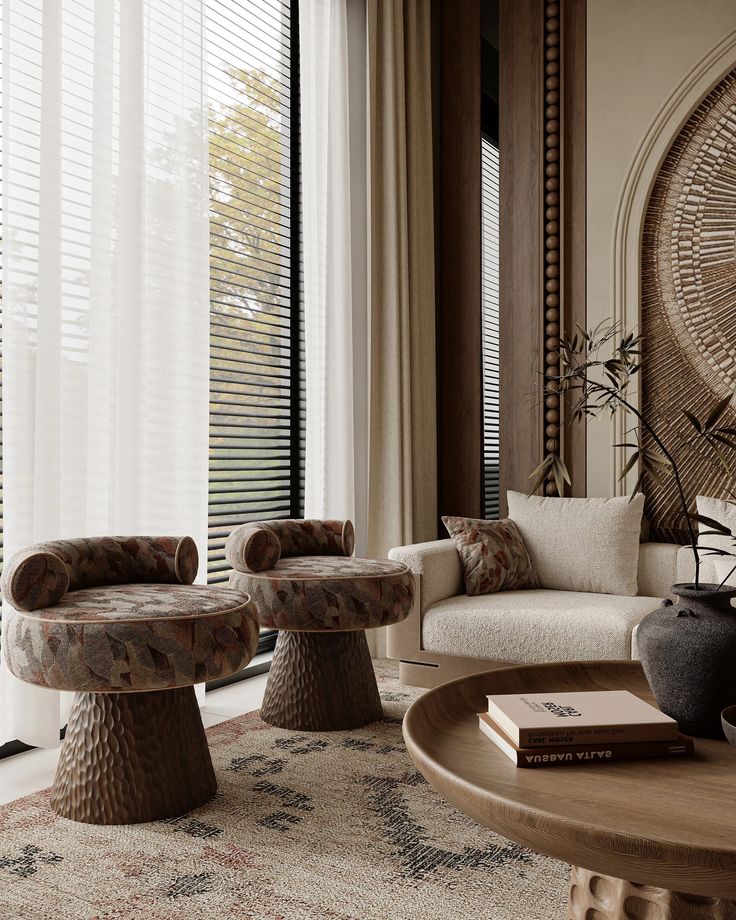
Luxury Villa Interior Design Trends for 2026
Luxury villa design is entering a new era. In 2026, homeowners are moving beyond excessive ornamentation and trend-driven aesthetics in favor of spaces that feel timeless, personal, and deeply connected to their lifestyles. Across international residential markets, luxury is increasingly defined by craftsmanship, comfort, wellness, and customization rather than visual extravagance alone.
As expectations evolve, architects, interior designers, and developers are embracing a more thoughtful approach to creating high-end living environments. From warm minimalism and bespoke furniture to wellness-focused spaces and smart home integration, the luxury villa of 2026 is designed to enhance everyday living while maintaining a strong architectural identity. Recent industry forecasts consistently point toward quiet luxury, natural materials, personalization, and wellness-centered design as the dominant directions shaping luxury homes.
1. Quiet Luxury Replaces Visual Excess
One of the strongest luxury interior trends of 2026 is the continued rise of quiet luxury. Instead of relying on flashy materials, oversized decorative features, or obvious status symbols, homeowners are investing in exceptional craftsmanship and refined details.
Quiet luxury emphasizes:
- High-quality natural materials
- Custom-made furnishings
- Subtle textures
- Sophisticated color palettes
- Architectural simplicity
The result is a space that feels elegant without appearing overly designed. Luxury is expressed through quality, proportion, and material authenticity rather than visual excess.
2. Warm Minimalism Creates More Comfortable Living Spaces
Minimalism remains popular, but the cold white interiors that dominated previous years are gradually disappearing. Designers are replacing stark environments with warmer and more welcoming interiors.
Popular materials include:
- Smoked oak
- Travertine
- Limestone
- Textured plaster
- Natural textiles
Color palettes now favor soft earth tones such as sand, taupe, clay, beige, and muted greens. These materials create a sense of comfort while maintaining the clean lines associated with modern luxury.
3. Bespoke Furniture Becomes a Defining Feature
Luxury villa owners increasingly seek interiors that cannot be replicated. As a result, custom furniture and tailored interior elements have become essential components of high-end residential projects.
Bespoke solutions allow designers to:
- Maximize functionality
- Reflect the homeowner’s personality
- Create unique visual identities
- Improve spatial efficiency
From custom wardrobes and kitchens to handcrafted dining tables and integrated storage systems, personalized production is becoming one of the strongest indicators of luxury living.
4. Natural Materials Take Center Stage
Natural materials continue to dominate luxury interiors in 2026. Homeowners are increasingly drawn to materials that age gracefully and develop character over time.
Popular selections include:
- Marble with dramatic veining
- Travertine
- Natural stone
- Solid wood
- Handcrafted ceramics
- Linen and wool textiles
Rather than hiding imperfections, designers are embracing the concept of “perfect imperfection,” allowing materials to showcase their natural textures and organic beauty.
5. Wellness-Centered Interior Design
Luxury villas are increasingly designed around health and wellbeing. Homeowners want spaces that support relaxation, recovery, and mental clarity.
Popular wellness features include:
- Spa-inspired bathrooms
- Meditation rooms
- Home gyms
- Steam rooms
- Natural daylight optimization
- Indoor gardens
The modern luxury villa is no longer just a residence—it is becoming a private wellness retreat designed to improve quality of life.
6. Biophilic Design Continues to Grow
Biophilic design remains one of the most influential movements in luxury residential architecture. By strengthening the connection between interior spaces and nature, designers create environments that feel calming and restorative.
Common strategies include:
- Floor-to-ceiling glazing
- Natural stone finishes
- Indoor trees and greenery
- Water features
- Organic architectural forms
These elements create a stronger relationship between the built environment and the natural world while enhancing the overall living experience.
7. Smart Home Technology Becomes Invisible
Technology is becoming increasingly integrated into luxury interiors, but with a major difference: it is designed to disappear into the architecture.
Luxury homeowners now expect:
- Intelligent lighting systems
- Climate automation
- Smart security
- Automated shading systems
- Voice-controlled environments
The goal is not to showcase technology but to create a seamless living experience where comfort and convenience operate in the background.
8. Sculptural Forms and Architectural Details
Straight lines and rigid geometries are gradually being balanced by softer, sculptural forms. Curved walls, organic furniture, rounded corners, and architectural features inspired by nature are becoming increasingly common.
These elements introduce visual movement and create more inviting living environments while maintaining a sophisticated contemporary aesthetic.
9. Layered Texture Over Flat Surfaces
Designers are moving away from overly smooth and sterile interiors. Texture is now considered a critical component of luxury.
Popular applications include:
- Textured stone walls
- Handmade plaster finishes
- Layered textiles
- Natural wood grain surfaces
- Three-dimensional architectural details
These tactile elements add depth and create a more engaging sensory experience throughout the villa.
10. Timeless Design Over Fast Trends
Perhaps the most important trend of 2026 is the move toward longevity. Homeowners are increasingly investing in designs that will remain relevant and functional for years to come.
Rather than chasing social media trends, luxury villa projects focus on:
- Architectural integrity
- Quality craftsmanship
- Enduring materials
- Personalized solutions
- Flexible living environments
This approach aligns with the growing “slow decorating” movement, which prioritizes thoughtful decision-making and long-term value over quick aesthetic updates.
Conclusion
Luxury villa interior design in 2026 is defined by authenticity, personalization, and intentional living. The most successful projects combine timeless architecture, bespoke craftsmanship, natural materials, wellness-focused planning, and integrated technology to create homes that are both beautiful and deeply functional.
As luxury homeowners continue to prioritize comfort, individuality, and long-term value, villa interiors are becoming more refined, more personal, and more connected to the way people truly live. For design studios and developers, the future of luxury lies not in excess, but in creating meaningful spaces that stand the test of time.