


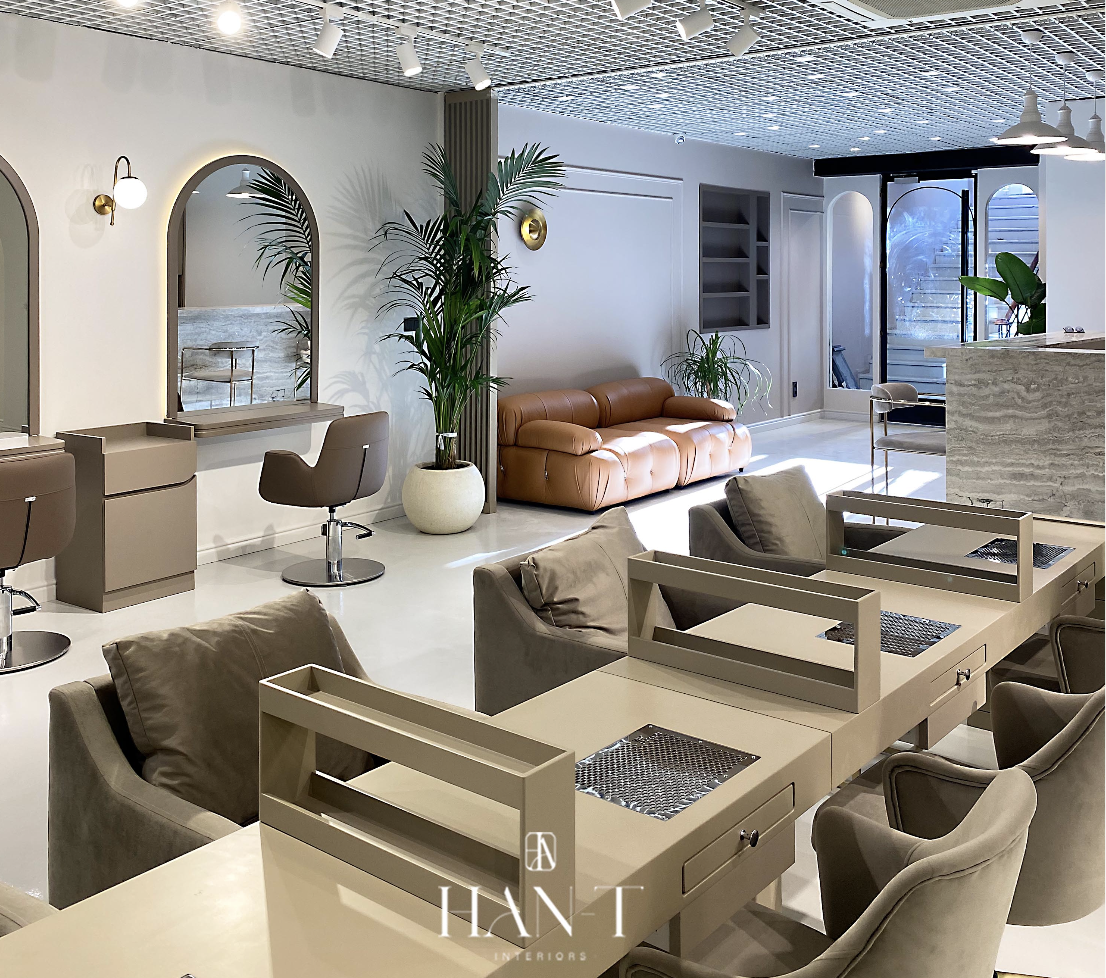
Retail Interior Design: Creating Spaces That Sell
In today’s competitive retail market, products alone are no longer enough to attract customers. Successful brands understand that the physical environment plays a critical role in influencing purchasing decisions, strengthening brand identity, and creating memorable customer experiences.
Retail interior design is far more than decorating a store. It is a strategic process that combines interior architecture, customer psychology, branding, lighting, furniture design, and spatial planning to create commercial environments that encourage visitors to explore, interact, and ultimately make a purchase.
Whether designing a luxury boutique, a flagship showroom, a beauty salon, or a premium retail chain, every design decision contributes to the customer’s overall experience.
Why Retail Interior Design Matters
The first few seconds after a customer enters a store often determine whether they will continue shopping or leave.
An attractive retail environment immediately communicates professionalism, quality, and trust.
A thoughtfully designed store can:
- Increase customer engagement
- Improve product visibility
- Encourage longer visits
- Strengthen brand identity
- Increase conversion rates
- Improve customer loyalty
Retail spaces should inspire confidence while making shopping enjoyable and intuitive.
Understanding Customer Behavior
One of the primary goals of retail interior design is guiding customer movement naturally throughout the space.
Professional designers analyze:
- Entry points
- Walking patterns
- Product visibility
- Decision-making zones
- Checkout placement
Understanding customer psychology helps create layouts that maximize both comfort and sales opportunities.
The Importance of Space Planning
Space planning is the foundation of every successful retail project.
An effective layout ensures that customers can easily navigate the store without feeling overwhelmed.
Good planning includes:
- Clear circulation paths
- Strategic product placement
- Comfortable browsing areas
- Efficient checkout locations
- Accessible displays
Well-organized spaces create a smoother shopping experience and increase customer satisfaction.
Brand Identity Through Interior Design
A retail store should immediately communicate the personality of the brand.
Every element contributes to that identity, including:
- Materials
- Colors
- Lighting
- Furniture
- Signage
- Decorative details
Consistency throughout the space strengthens brand recognition and creates a memorable customer experience.
Lighting Influences Purchasing Decisions
Lighting is one of the most powerful tools in retail design.
Different lighting techniques help:
- Highlight featured products
- Create visual hierarchy
- Enhance textures
- Build atmosphere
- Improve customer comfort
Layered lighting combines ambient, accent, and display lighting to create an inviting shopping environment.
Custom Furniture Creates Better Retail Experiences
Standard furniture often limits flexibility.
Custom-designed retail furniture allows businesses to optimize every square meter while maintaining a consistent visual identity.
Benefits include:
- Better product presentation
- Improved storage
- Flexible merchandising
- Premium appearance
- Long-term durability
Custom manufacturing ensures that every fixture aligns perfectly with the brand concept.
Material Selection
Premium materials communicate quality before customers even interact with the products.
Popular retail materials include:
- Natural wood
- Marble
- Stone
- Metal
- Glass
- Premium textiles
Durable materials also reduce maintenance costs while extending the lifespan of the interior.
Technology in Modern Retail
Today’s retail environments increasingly integrate technology.
Common solutions include:
- Interactive displays
- Digital signage
- Smart lighting
- Automated checkout systems
- Customer analytics
- Digital product catalogs
Technology enhances convenience while creating engaging shopping experiences.
Creating Emotional Connections
People remember experiences more than products.
Successful retail interiors stimulate emotions through:
- Lighting
- Music
- Texture
- Scent
- Color
- Comfortable layouts
A positive emotional experience encourages repeat visits and stronger customer loyalty.
Turnkey Retail Projects
Large commercial projects require coordination between multiple disciplines.
Turnkey delivery combines:
- Concept development
- Interior architecture
- Interior design
- Custom manufacturing
- Project management
- Installation
- Quality control
Working with a single team ensures consistency, efficiency, and faster project completion.
International Retail Solutions
As brands expand globally, consistency becomes increasingly important.
International retail projects require careful coordination to maintain brand identity across multiple locations while adapting to local requirements.
HAN-T specializes in international commercial interiors, delivering integrated design, production, and implementation solutions for clients worldwide.
Future Trends in Retail Interior Design
Retail design continues to evolve alongside customer expectations.
Key trends include:
- Sustainable materials
- Flexible layouts
- Smart technologies
- Biophilic design
- Minimal luxury
- Personalized shopping experiences
- Modular display systems
Retail environments that embrace these trends remain competitive and relevant in a rapidly changing market.
Conclusion
Retail interior design is a strategic investment that directly impacts customer experience and business performance. A thoughtfully designed retail environment strengthens brand identity, improves customer engagement, and increases sales.
At HAN-T, we provide integrated retail solutions that combine interior architecture, interior design, custom manufacturing, and turnkey project execution. By managing every stage—from concept development to production and installation—we create retail spaces that are functional, visually distinctive, and built to support long-term commercial success in international markets.