


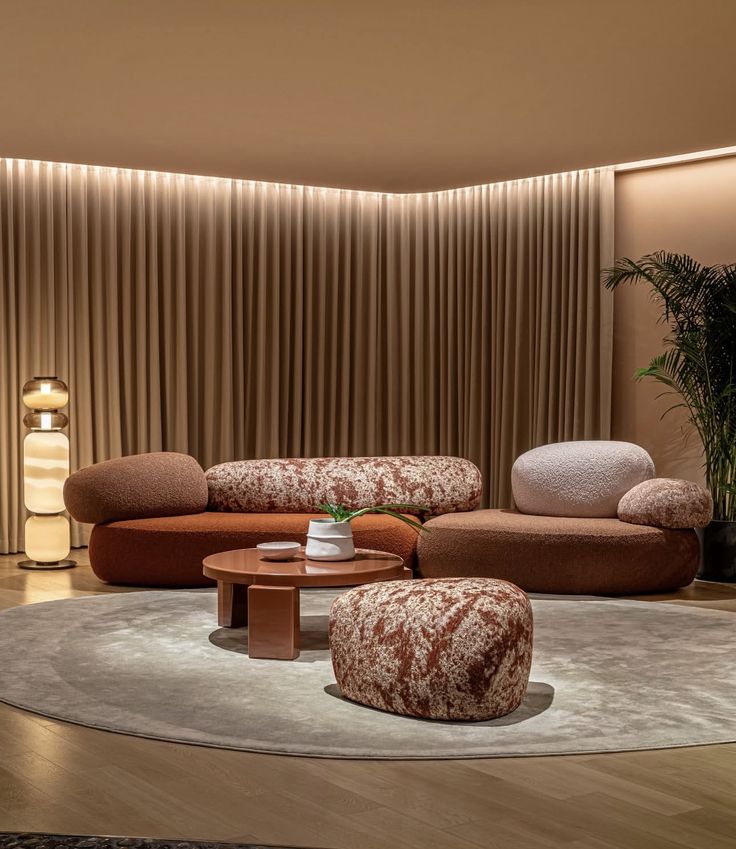
Interior Architecture vs Interior Design: Key Differences
Many people use the terms interior architecture and interior design interchangeably. While the two disciplines are closely connected and often work together on the same project, they are not the same. Understanding the difference is essential when planning a residential, commercial, hospitality, or luxury interior project.
Both interior architects and interior designers contribute to creating functional and visually appealing spaces. However, their responsibilities, expertise, and approach to project development differ significantly. Knowing when each discipline is needed can help property owners, developers, and business owners make better decisions throughout the design and construction process.
What Is Interior Architecture?
Interior architecture focuses on the structural and spatial aspects of interior environments. It combines principles of architecture, engineering, and interior planning to improve how a space functions and how people interact with it.
Interior architects often work on:
- Spatial planning
- Structural modifications
- Interior layouts
- Building regulations
- Circulation and flow
- Technical detailing
- Construction coordination
Their primary goal is to create spaces that are functional, safe, efficient, and aligned with the architectural vision of the project.
Unlike interior decoration, interior architecture often involves changes to walls, ceilings, floors, built-in elements, and overall space organization.
What Is Interior Design?
Interior design focuses on enhancing the visual, emotional, and functional experience of a space. Interior designers create environments that reflect the client’s lifestyle, brand identity, or business objectives while ensuring comfort and usability.
Interior designers typically handle:
- Material selection
- Furniture design and specification
- Color schemes
- Lighting concepts
- Decorative elements
- Textiles and finishes
- Styling and aesthetics
The purpose of interior design is to transform a space into an environment that feels cohesive, attractive, and aligned with the user’s needs.
While interior designers often collaborate with architects and contractors, their primary responsibility is creating the overall look and feel of the space.
The Main Difference Between Interior Architecture and Interior Design
The easiest way to understand the difference is to think about structure versus experience.
Interior architecture focuses on how a space works.
Interior design focuses on how a space looks and feels.
An interior architect may redesign the layout of a villa, relocate walls, improve circulation, and integrate technical systems. An interior designer may then select finishes, furniture, lighting, and decorative details that complete the experience.
Modern projects often require both disciplines working together.
Interior Architecture in Residential Projects
In luxury residential projects, interior architecture plays a critical role in maximizing functionality and improving spatial quality.
Examples include:
- Reconfiguring room layouts
- Expanding living spaces
- Designing custom staircases
- Integrating smart home systems
- Optimizing natural lighting
These decisions directly influence how the home functions on a daily basis.
Interior Design in Residential Projects
Interior design transforms architectural spaces into personalized living environments.
Key areas include:
- Living room design
- Bedroom interiors
- Kitchen aesthetics
- Furniture selection
- Decorative styling
- Lighting design
Interior design ensures that the completed space reflects the homeowner’s personality and lifestyle while maintaining visual harmony.
Interior Architecture in Commercial Projects
Commercial environments require careful planning to support business operations and customer experience.
Interior architects help create:
- Efficient office layouts
- Retail circulation systems
- Hospitality planning
- Restaurant workflows
- Workplace productivity solutions
These structural decisions have a direct impact on user experience and business performance.
Interior Design in Commercial Projects
Commercial interior design focuses on creating memorable experiences and reinforcing brand identity.
Examples include:
- Retail store aesthetics
- Restaurant atmosphere
- Hotel guest experiences
- Office culture environments
- Customer engagement spaces
A successful commercial interior combines functionality with emotional connection.
Why Modern Design Studios Combine Both Disciplines
Today, the most successful design studios no longer separate interior architecture and interior design into isolated processes.
Instead, they integrate:
- Concept development
- Space planning
- Interior architecture
- Furniture design
- Custom manufacturing
- Project implementation
This integrated approach reduces communication gaps and ensures consistency throughout the project lifecycle.
Studios that combine design, production, and implementation are often able to deliver more efficient, higher-quality results.
The Role of Custom Manufacturing
Custom manufacturing has become increasingly important in luxury residential and commercial interiors.
Bespoke furniture and joinery allow designers and architects to:
- Maximize available space
- Create unique environments
- Improve functionality
- Maintain design consistency
Custom production bridges the gap between architectural planning and interior design execution.
Which One Do You Need?
The answer depends on your project.
If your project involves structural changes, space reconfiguration, or technical planning, interior architecture is essential.
If your goal is to improve aesthetics, furniture selection, materials, and overall atmosphere, interior design may be the primary requirement.
For most luxury residential, hospitality, office, and retail projects, both disciplines work together to achieve the best outcome.
Conclusion
Interior architecture and interior design are complementary disciplines that play different but equally important roles in creating successful spaces.
Interior architecture focuses on structure, planning, and functionality, while interior design focuses on aesthetics, atmosphere, and user experience.
The most effective projects combine both approaches, integrating technical expertise with creative vision. As modern design studios continue to evolve, the collaboration between interior architecture and interior design will remain essential for creating spaces that are beautiful, functional, and built for the future.