


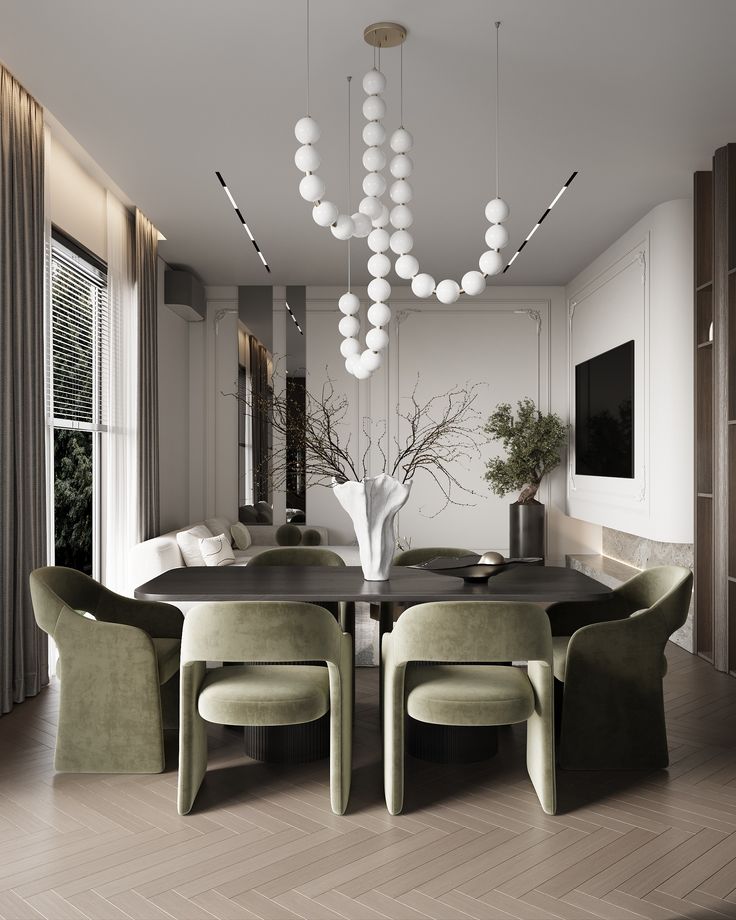
Apartment Interior Design: Maximizing Style in Every Room
Apartment living is no longer just about limited space or functional layouts. Today, it represents a lifestyle where design, comfort, and efficiency must coexist. Whether you live in a compact studio or a spacious urban apartment, smart interior design can transform every square meter into a stylish and highly functional environment.
The key principle in apartment interior design is not about having more space it is about using space intelligently. From furniture selection to lighting strategies and layout planning, every design decision impacts how large, comfortable, and luxurious your apartment feels.
1. Understanding Apartment Interior Design Principles
Before selecting furniture or décor, it is essential to understand the foundation of apartment design.
Unlike villas or large houses, apartments come with structural limitations such as fixed walls, smaller rooms, and shared spaces. Therefore, design must focus on:
- Space optimization
- Multi-functionality
- Visual openness
- Storage integration
- Cohesive aesthetics
A successful apartment interior avoids clutter and emphasizes flow, light, and balance.
2. Smart Space Planning: The Foundation of Style
Space planning is the backbone of every well-designed apartment.
Start by analyzing:
- Room dimensions
- Window placement
- Natural light sources
- Traffic flow paths
Then divide your apartment into functional zones such as:
- Living area
- Dining space
- Work/study corner
- Relaxation zone
Even in a studio apartment, zoning can be achieved using rugs, furniture placement, or lighting differentiation.
Well-planned layouts make small apartments feel significantly larger and more organized.
3. Living Room Design: The Social Core of the Apartment
The living room is where style becomes visible.
To maximize impact:
Use proportional furniture
Avoid oversized sofas or bulky cabinets. Instead, choose slim-profile seating and modular pieces.
Create a focal point
This could be:
- A TV wall with textured panels
- A large artwork
- A minimalist fireplace design
Layer lighting
Combine:
- Ambient lighting (ceiling)
- Task lighting (reading lamps)
- Accent lighting (wall lights or LED strips)
Layered lighting adds depth and makes the room feel premium.
4. Kitchen Design: Efficiency Meets Aesthetics
In apartment interior design, kitchens must balance efficiency with visual cleanliness.
Key strategies:
- Use vertical storage (wall cabinets up to ceiling)
- Install hidden appliances where possible
- Use reflective surfaces (glass or glossy finishes)
- Keep countertops clutter-free
A modern apartment kitchen should feel open, even if the footprint is small.
5. Bedroom Design: Comfort and Minimalism
The bedroom should prioritize calmness and simplicity.
Best practices:
- Choose a low-profile bed frame
- Use built-in wardrobes for storage
- Stick to neutral color palettes
- Avoid excessive decoration
Textiles play a key role—layered bedding, curtains, and rugs add warmth without visual clutter.
A well-designed bedroom improves both comfort and sleep quality.
6. Bathroom Design: Small Space, Big Impact
Bathrooms in apartments are often compact, so smart design is crucial.
Recommended approaches:
- Wall-mounted sinks and toilets
- Large mirrors to reflect light
- Glass shower partitions
- Hidden storage niches
Light colors and proper lighting can completely transform a small bathroom into a spa-like environment.
7. Lighting Strategy: The Hidden Design Tool
Lighting is one of the most powerful elements in apartment interior design.
A strong lighting plan includes:
- Ceiling lighting for general illumination
- Floor and table lamps for warmth
- Accent lighting for mood and depth
Natural light should always be maximized using light curtains and minimal window obstruction.
Good lighting can make a small apartment feel twice its actual size.
8. Color Psychology in Apartment Interiors
Color choice directly affects perception of space.
Recommended palettes:
- White, beige, and soft gray for openness
- Earth tones for warmth and stability
- Accent colors (blue, green, terracotta) for personality
Rule of thumb:
60% neutral, 30% secondary tone, 10% accent color
This ensures balance and visual harmony.
9. Smart Storage Solutions
Storage is one of the biggest challenges in apartment living.
Effective solutions include:
- Under-bed storage
- Built-in wall shelves
- Multi-purpose furniture (sofa beds, storage ottomans)
- Vertical cabinetry
Clutter reduction is essential for maintaining style. A clean space always appears larger and more luxurious.
10. Decorating Strategy: Less but Better
A common mistake in apartment design is over-decoration.
Instead:
- Choose a few statement pieces
- Use curated art rather than filling every wall
- Keep surfaces minimal
- Prioritize breathing space
Empty space is not wasted space—it is a design tool that enhances elegance.
Conclusion
Apartment interior design is about strategic creativity. It is the ability to transform limitations into advantages through smart planning, functional furniture, and intentional aesthetics.
Every room in an apartment can achieve a sense of luxury, regardless of size, if design principles are applied correctly. By focusing on layout, lighting, color, and storage, you can create a home that feels both stylish and highly livable.