


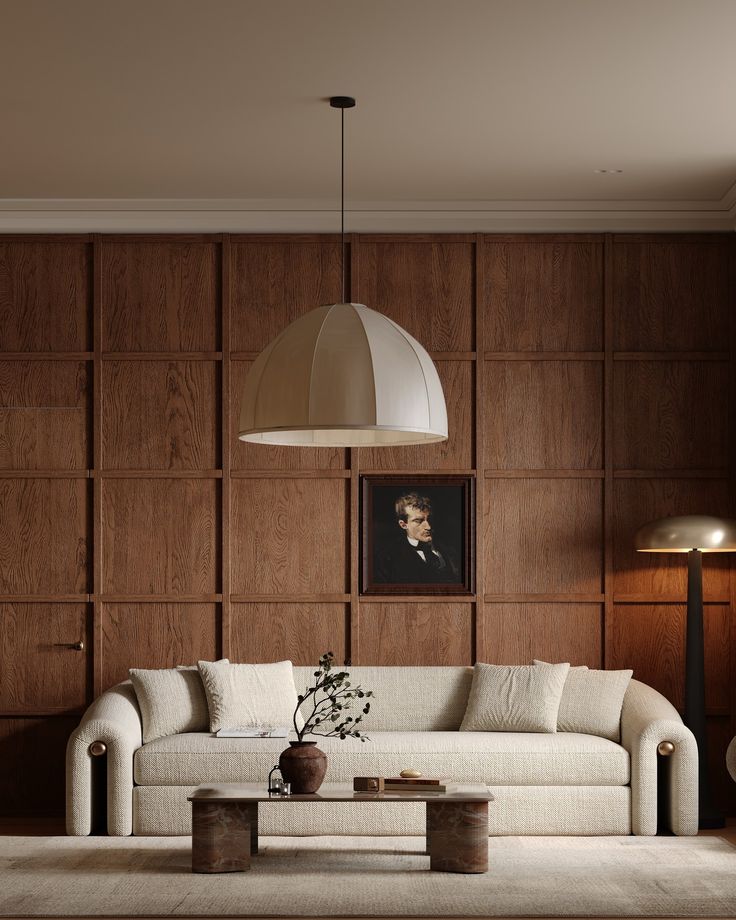
Contemporary Interior Design: Key Principles Explained
Contemporary interior design has become one of the most influential styles in modern architecture and interior spaces. Often confused with modern design, contemporary interiors are constantly evolving, reflecting today’s lifestyles, technological advancements, and changing aesthetic preferences. This dynamic approach creates spaces that feel fresh, functional, elegant, and highly adaptable to the needs of modern living.
Whether designing a luxury residence, a boutique hotel, a corporate office, or a commercial showroom, contemporary interior design focuses on achieving the perfect balance between beauty and practicality. It embraces simplicity without sacrificing comfort, allowing every element within a space to serve both an aesthetic and functional purpose.
Today’s clients expect interiors that not only look impressive but also improve everyday experiences. Open layouts, natural materials, sustainable solutions, custom furniture, and intelligent lighting have become essential components of contemporary interiors.
At HAN-T, we believe contemporary interior design is more than a visual style—it is a comprehensive design philosophy that combines interior architecture, bespoke furniture manufacturing, and turnkey execution to create spaces that remain timeless while meeting the demands of modern lifestyles.
What Is Contemporary Interior Design?
Contemporary interior design refers to the design trends of the present moment. Unlike modern design, which represents a specific historical period, contemporary design continuously evolves as new materials, technologies, and lifestyles emerge.
The style emphasizes clean architectural lines, uncluttered spaces, neutral color palettes, abundant natural light, and carefully selected decorative elements. Every component contributes to creating interiors that feel balanced, sophisticated, and comfortable.
One of the defining characteristics of contemporary interiors is flexibility. Designers combine various influences while maintaining visual harmony, allowing each project to develop its own unique identity rather than following rigid design rules.
For luxury residential and commercial projects, contemporary design offers the perfect balance between innovation and timeless elegance.
The Core Principles of Contemporary Interior Design
Successful contemporary interiors are built upon several fundamental principles that guide every design decision.
Simplicity
Simplicity does not mean emptiness. Instead, it means removing unnecessary visual distractions while highlighting quality materials, refined craftsmanship, and architectural details.
Every piece of furniture, lighting fixture, and decorative accessory should have a clear purpose.
This approach creates interiors that feel calm, organized, and luxurious.
Functional Space Planning
Beautiful spaces must also function efficiently.
Professional interior designers carefully analyze how people move throughout a building before determining furniture layouts, circulation paths, and room proportions.
Open floor plans improve communication, increase flexibility, and allow natural light to flow throughout the interior.
Efficient planning is particularly important in offices, hotels, restaurants, and luxury residences where every square meter contributes to the overall user experience.
Clean Architectural Lines
Contemporary interiors avoid excessive ornamentation.
Instead, they celebrate strong architectural geometry, precise detailing, and carefully balanced proportions.
Straight lines are often combined with subtle curves to soften the environment while maintaining a refined aesthetic.
Architectural elements themselves become decorative features through thoughtful material selection and craftsmanship.
Natural Light
Natural light is one of the most valuable design elements in contemporary interiors.
Large windows, glass partitions, skylights, and open layouts maximize daylight while creating healthier and more inviting spaces.
Natural light also enhances the appearance of premium materials including natural wood, marble, stone, metal, and textured fabrics.
Professional lighting design complements daylight with layered artificial lighting that supports different activities throughout the day.
Contemporary Color Palettes
Color plays an essential role in defining contemporary interiors.
Neutral tones provide the foundation for sophisticated environments while allowing furniture, artwork, and architectural features to stand out.
Popular contemporary color combinations include:
- Soft white
- Warm beige
- Light gray
- Charcoal
- Natural wood tones
- Black accents
- Earth-inspired colors
- Muted greens
- Warm taupe
These palettes create timeless interiors that remain elegant for many years without appearing outdated.
Accent colors are introduced carefully through artwork, textiles, decorative objects, or statement furniture pieces.
Materials That Define Contemporary Luxury
Material selection significantly influences the character of contemporary interiors.
Rather than relying on excessive decoration, designers allow premium materials to become the focal point.
Common materials include natural stone, solid wood, engineered wood, brushed metal, textured fabrics, high-performance glass, and sustainable composite materials.
The combination of different textures creates visual depth while maintaining a minimalist appearance.
Luxury contemporary interiors often combine warm wooden surfaces with elegant marble, black steel details, soft upholstery, and subtle lighting to achieve balance between comfort and sophistication.
Custom Furniture as a Design Statement
One of the strongest characteristics of high-end contemporary interiors is custom furniture.
Standard furniture rarely achieves the perfect proportions required for luxury residential or commercial projects.
Custom manufacturing allows designers to create furniture specifically tailored to each project’s architecture.
At HAN-T, bespoke furniture production ensures every element integrates seamlessly with the interior concept while maximizing functionality.
Reception desks, wardrobes, kitchen cabinetry, shelving systems, dining tables, lounge seating, and built-in storage can all be designed to reflect the client’s identity while maintaining exceptional craftsmanship.
Custom furniture also improves space efficiency, particularly in projects where unique architectural conditions require personalized solutions.
Sustainability in Contemporary Interior Design
Sustainability is no longer a trend—it has become an essential principle of contemporary interior design. Homeowners, developers, and businesses increasingly seek environmentally responsible solutions that reduce environmental impact while maintaining luxury and comfort.
Contemporary interiors embrace sustainable materials such as responsibly sourced timber, recycled metals, natural stone, and low-VOC finishes. These materials not only support healthier indoor environments but also offer exceptional durability and timeless beauty.
Energy-efficient lighting systems, smart climate control, and sustainable manufacturing processes further contribute to creating interiors that are both environmentally conscious and cost-effective.
At HAN-T, sustainability is integrated into every stage of the design and production process, ensuring that each project delivers long-term value for clients and the environment.
Smart Technology in Contemporary Interiors
Technology has become an integral part of modern living. Contemporary interiors seamlessly incorporate smart solutions without compromising aesthetics.
Smart lighting systems automatically adjust according to daylight levels and occupancy. Intelligent climate control enhances comfort while reducing energy consumption. Automated curtains, integrated sound systems, and security technologies create environments that are both luxurious and practical.
Rather than allowing technology to dominate the space, contemporary interior design conceals it within architectural elements and custom furniture, preserving clean visual lines.
Luxury residences, offices, hotels, and commercial spaces all benefit from intelligent systems that improve user experience while supporting operational efficiency.
Why Businesses Choose Contemporary Interior Design
Contemporary design is increasingly popular in commercial environments because it communicates professionalism, innovation, and quality.
Modern offices benefit from open collaboration areas, ergonomic workspaces, and flexible meeting environments.
Retail stores use contemporary design to improve customer flow and highlight products more effectively.
Restaurants and cafés create inviting atmospheres that encourage longer visits.
Hotels provide memorable guest experiences through elegant interiors that combine comfort with sophisticated aesthetics.
Businesses understand that interior design is an investment in their brand. Well-designed environments influence customer perception, employee satisfaction, and overall business performance.
HAN-T’s Integrated Design Approach
Successful projects require more than creative ideas. They require seamless collaboration between designers, manufacturers, and installation teams.
HAN-T delivers a complete solution by combining:
- Interior Architecture
- Space Planning
- Custom Furniture Manufacturing
- Interior Fit-Out
- Project Management
- Turnkey Execution
This integrated approach eliminates communication gaps, improves quality control, shortens project timelines, and ensures every detail reflects the original design vision.
Whether designing a luxury villa, boutique hotel, office headquarters, retail showroom, or residential apartment, HAN-T provides a comprehensive service from concept development to final installation.
The Future of Contemporary Interior Design
As lifestyles continue to evolve, contemporary interior design will become even more focused on flexibility, sustainability, and technology.
Future interiors will prioritize adaptable spaces capable of serving multiple functions, healthier materials that improve indoor wellbeing, and intelligent systems that simplify everyday life.
Natural materials, handcrafted furniture, and bespoke manufacturing will continue to distinguish luxury interiors from mass-produced environments.
Clients increasingly seek spaces that reflect their personality while supporting comfort, productivity, and long-term value.
This shift makes contemporary interior design one of the most relevant and enduring approaches for residential and commercial architecture.
Conclusion
Contemporary interior design is far more than a visual style. It represents a thoughtful approach to creating environments that balance beauty, functionality, sustainability, and innovation.
By combining clean architectural lines, natural materials, intelligent technology, and bespoke furniture, contemporary interiors create spaces that remain elegant for years while adapting to changing lifestyles.
Whether designing a luxury residence, corporate headquarters, hospitality project, or retail environment, investing in professional interior architecture creates lasting value and unforgettable experiences.
At HAN-T, we believe every successful project begins with understanding our client’s vision and transforming it into a timeless interior through design excellence, precision manufacturing, and turnkey execution.
If you are planning your next residential or commercial interior project, our team is ready to help you create spaces that inspire, perform, and endure.
FAQ
What is contemporary interior design?
Contemporary interior design reflects current design trends while emphasizing clean lines, functional layouts, sustainable materials, and timeless aesthetics.
How is contemporary interior design different from modern design?
Modern design refers to a historical design movement, while contemporary design evolves continuously to reflect current styles and innovations.
Is contemporary interior design suitable for commercial projects?
Yes. Contemporary design is widely used in offices, hotels, restaurants, retail stores, and corporate environments because it combines functionality with a sophisticated appearance.
Does HAN-T provide custom furniture?
Yes. HAN-T designs and manufactures bespoke furniture tailored to each project’s architectural concept and operational requirements.
Does HAN-T offer turnkey interior solutions?
Yes. HAN-T manages the entire project, including interior architecture, custom production, installation, and project management.