


Furniture design is much more than creating an attractive object. A successful furniture piece combines aesthetics, functionality, materials, engineering, craftsmanship, manufacturing precision, and an understanding of the space in which it will be used.
From the first hand-drawn sketch to the final showroom installation, every stage influences the quality of the finished product. This is especially important for luxury residential projects, hotels, restaurants, offices, retail environments, and other commercial spaces where furniture must meet demanding aesthetic and functional requirements.
At HAN-T, furniture design and production are approached as an integrated process. Our work can connect interior architecture, bespoke furniture design, material selection, manufacturing, quality control, logistics, and installation to create furniture that is designed specifically for each project.
Whether the requirement is a custom kitchen, luxury wardrobe, reception desk, restaurant furniture, hotel furniture, office storage, or a complete furniture collection, the process begins with understanding the space and ends with a finished product ready for the showroom or project site.
What Is Furniture Design and Production?
Furniture design is the process of developing the visual, functional, and technical characteristics of a furniture product. Furniture production is the process of transforming that approved design into a physical product.
The two processes are closely connected.
A beautiful design may not be practical to manufacture. Similarly, a technically easy-to-produce piece may not achieve the desired aesthetic or functional result.
Professional furniture design therefore considers both creativity and production from the beginning.
A furniture project may involve:
- Concept development
- Sketching
- 3D modeling
- Technical drawings
- Material selection
- Prototyping
- CNC manufacturing
- Surface finishing
- Assembly
- Quality control
- Packaging
- Logistics
- Installation
- Showroom presentation
The objective is to ensure that the original design concept remains consistent throughout the manufacturing process.
From Sketch to Final Product
Every furniture project begins with an idea.
The idea may come from an interior designer, architect, furniture designer, brand, developer, or client. It can start as a simple hand sketch, a reference image, a moodboard, or a detailed design brief.
The challenge is transforming that initial concept into a product that can actually be manufactured.
This requires a structured process.
1. Understanding the Project
Before developing the furniture itself, the design team needs to understand the project.
Important questions include:
- Where will the furniture be used?
- Who will use it?
- What are the dimensions of the space?
- What functions must the furniture provide?
- What materials are appropriate?
- What is the desired design style?
- What is the expected level of durability?
- What is the project budget?
- What is the required production timeline?
For a luxury villa, for example, furniture may need to complement the architecture and create a highly personalized environment.
For a hotel or restaurant, durability and maintenance may become equally important.
For a retail project, product visibility, customer circulation, branding, and display requirements may have greater importance.
This is why furniture should always be designed according to its environment.
2. Concept Development and Sketching
Once the requirements are understood, the design concept begins to take shape.
Sketching is one of the fastest ways to explore different ideas.
At this stage, designers can experiment with:
- Shapes
- Proportions
- Materials
- Colors
- Storage configurations
- Handles
- Legs
- Surface details
- Decorative elements
The objective is not necessarily to create the final technical drawing immediately.
Instead, the sketching stage allows the design team to explore multiple possibilities before selecting the strongest direction.
A successful furniture concept should balance aesthetics with functionality.
For example, a contemporary sideboard should not only have an attractive silhouette. It should also provide appropriate storage, have suitable dimensions, and allow doors and drawers to operate correctly.
3. 3D Furniture Design and Visualization
After the initial concept has been approved, the furniture can be developed as a three-dimensional model.
3D modeling allows designers and clients to see how the product will look before manufacturing begins.
Different materials, colors, finishes, and configurations can be tested digitally.
For example, a single cabinet can be visualized with:
- Natural oak
- Walnut
- Painted MDF
- Marble
- Metal details
- Glass doors
This reduces uncertainty and makes client approvals more efficient.
3D visualization is particularly valuable for bespoke furniture because every piece may be different.
It also allows the furniture to be evaluated within the larger interior design concept.
For example, a custom TV unit can be modeled together with the wall, flooring, lighting, and surrounding furniture to ensure that the proportions are correct.
4. Technical Drawings
Once the design is approved, the project moves from creative development into technical planning.
Technical drawings translate the design concept into precise manufacturing information.
Depending on the project, these drawings may include:
- Elevations
- Sections
- Plans
- Detailed dimensions
- Material specifications
- Joinery details
- Hardware specifications
- Assembly details
- Surface finishes
- Installation requirements
This stage is critical.
A small dimensional error in a drawing can create problems during manufacturing or installation.
For complex furniture, technical drawings should communicate exactly how every component is manufactured and assembled.
This is one reason professional furniture design and production require close communication between designers, engineers, craftsmen, and manufacturers.
5. Selecting the Right Materials
Materials influence both the appearance and performance of furniture.
Different projects require different materials.
Solid Wood
Solid wood provides natural character, warmth, and durability.
Oak, walnut, ash, and other timber species can be used for tables, cabinetry, doors, wall panels, and bespoke furniture.
MDF
MDF is widely used in custom furniture because it provides a stable surface that can be painted, veneered, laminated, or finished in different ways.
Plywood
Plywood can provide strength and dimensional stability and is suitable for certain structural and furniture applications.
Wood Veneer
Wood veneer allows designers to achieve the appearance of natural timber across larger surfaces while offering flexibility for custom furniture production.
Metal
Metal can be used for frames, handles, legs, decorative details, and structural elements.
Brass, bronze, stainless steel, and powder-coated metals can create different visual effects.
Glass
Glass is frequently used for display cabinets, doors, shelving, partitions, and contemporary furniture.
Stone and Marble
Natural stone and marble can be incorporated into tables, countertops, reception desks, kitchens, and statement furniture.
The best material is not necessarily the most expensive material. It is the material that is appropriate for the function, environment, design concept, maintenance requirements, and budget.
6. Prototyping and Sample Production
For complex or high-value furniture, creating a prototype can be an important step before full production.
A prototype allows the design team to evaluate the physical product.
It can reveal issues that may not be obvious in a digital model.
For example:
- Is the height comfortable?
- Are the proportions correct?
- Does the drawer mechanism work properly?
- Is the material combination appropriate?
- Are the edges comfortable?
- Is the furniture stable?
- Does the finish look correct under real lighting?
Making adjustments at the prototype stage can prevent more expensive changes later in the manufacturing process.
7. Furniture Manufacturing
Once the design and technical details are approved, manufacturing begins.
A professional production workflow may include:
Material Preparation → Cutting → CNC Machining → Edge Processing → Assembly → Sanding → Finishing → Hardware Installation → Quality Control
Modern manufacturing technology allows furniture components to be produced with a high degree of precision.
CNC machining, for example, can be used for accurate cutting, drilling, routing, and complex shapes.
However, technology alone does not guarantee quality.
The final result depends on the combination of:
- Accurate design
- Correct material selection
- Proper machine settings
- Skilled technicians
- Experienced craftsmen
- Quality control
8. The Role of CNC Technology
CNC technology has become an important part of modern furniture manufacturing.
Computer-controlled machines can produce complex components with consistent dimensions.
This is particularly useful for:
- Bespoke cabinetry
- Complex panels
- Repeated components
- Decorative patterns
- Curved elements
- Precision drilling
- Custom joinery
CNC manufacturing can improve production efficiency and consistency, particularly for larger projects.
However, high-end furniture often combines CNC precision with manual craftsmanship.
This combination allows manufacturers to achieve both technical accuracy and refined detailing.
9. Craftsmanship and Attention to Detail
Technology is only part of furniture manufacturing.
High-quality furniture often requires experienced craftsmen for finishing and detailing.
Hand-finishing can be particularly important for:
- Wood surfaces
- Veneer
- Lacquer
- Decorative details
- Custom edges
- Special finishes
- Upholstery
Small details can significantly influence how a finished product looks and feels.
In luxury furniture production, craftsmanship is often what separates a standard product from a truly bespoke piece.
10. Surface Finishing
The surface finish has a major influence on the final appearance of furniture.
Common finishes include:
- Natural wood finish
- Matte lacquer
- High-gloss lacquer
- Oil
- Stain
- Veneer
- Laminate
- Powder coating
- Brushed metal
- Polished metal
The correct finish depends on the material and intended use.
For example, a hotel reception desk may require a highly durable finish because it will experience frequent use.
A residential cabinet may prioritize visual character and tactile quality.
11. Quality Control
Quality control should not be treated as the final step only.
It should be integrated throughout the production process.
Before furniture leaves the factory, key elements should be inspected.
These can include:
- Dimensions
- Surface quality
- Color consistency
- Material quality
- Hardware
- Doors and drawers
- Joinery
- Structural stability
- Finishing
- Overall appearance
For large projects with multiple furniture pieces, consistency becomes particularly important.
Every piece should follow the same specifications and quality standards.
Furniture Design for Luxury Residential Projects
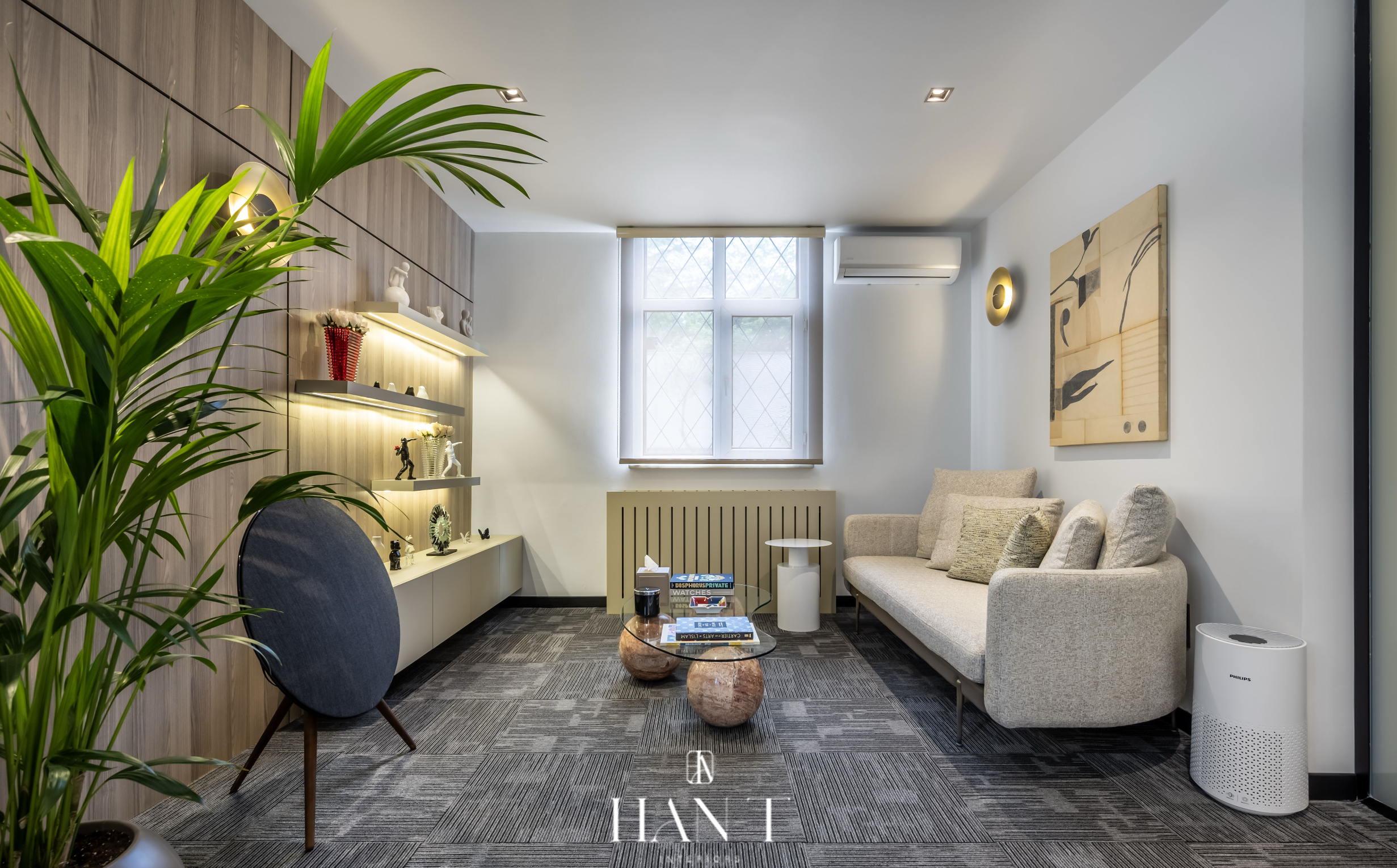
Luxury residential projects often require furniture that is highly personalized.
Standard furniture may not fit the dimensions, architecture, or lifestyle requirements of the client.
Bespoke furniture can be developed specifically for:
- Luxury villas
- Private residences
- Apartments
- Penthouses
- Holiday homes
Common custom solutions include:
- Kitchens
- Walk-in wardrobes
- Bedrooms
- TV units
- Libraries
- Dining tables
- Sideboards
- Bathroom furniture
- Wall panels
- Home offices
You can also explore HAN-T’s approach to luxury villa interior design and see how custom furniture can become part of a complete interior concept.
Furniture Design for Hotels and Hospitality
Hotels require furniture that combines aesthetics with durability.
Guest rooms, lobbies, restaurants, lounges, and reception areas all have different functional requirements.
Hotel furniture may include:
- Beds and headboards
- Bedside tables
- Wardrobes
- Desks
- Reception counters
- Restaurant tables
- Bar furniture
- Lounge furniture
- Decorative wall panels
Because hospitality spaces experience frequent use, material selection and construction quality are especially important.
Furniture should also support the hotel’s brand identity.
A luxury hotel may require sophisticated materials and highly detailed finishes, while a contemporary boutique hotel may use a more distinctive and artistic approach.
Furniture Design for Restaurants
Restaurant furniture has a direct relationship with customer experience.
Tables, chairs, booths, counters, bars, and decorative furniture need to support circulation while contributing to the atmosphere.
Important considerations include:
- Seating comfort
- Durability
- Cleaning and maintenance
- Table dimensions
- Circulation
- Lighting
- Brand identity
- Material selection
Furniture should be integrated with the overall restaurant interior design rather than treated as an isolated element.
Furniture Design for Offices
Modern offices require furniture that supports productivity and flexibility.
Custom office furniture can include:
- Executive desks
- Meeting tables
- Reception desks
- Storage systems
- Libraries
- Workstations
- Breakout furniture
- Kitchen cabinetry
The furniture should reflect the company’s identity while supporting employees’ daily activities.
Furniture Design for Retail Spaces
Retail furniture serves both functional and marketing purposes.
Display units, shelving, counters, product stands, and storage systems need to support customer movement and product presentation.
Custom retail furniture can help create a consistent brand experience throughout the store.
This is particularly important for luxury retail brands where the interior itself forms part of the customer experience.
Sustainable Furniture Design
Sustainability is becoming increasingly important in furniture design and manufacturing.
One of the most effective approaches is creating durable products that are designed to last.
Sustainable furniture strategies can include:
- Responsible material sourcing
- Durable construction
- Efficient production
- Reduced material waste
- Repairable components
- Long-lasting finishes
- Timeless design
For responsible wood sourcing, the Forest Stewardship Council (FSC) provides an internationally recognized certification framework for responsible forest management.
Sustainability should be considered from the beginning of the design process rather than added after production has already been planned.
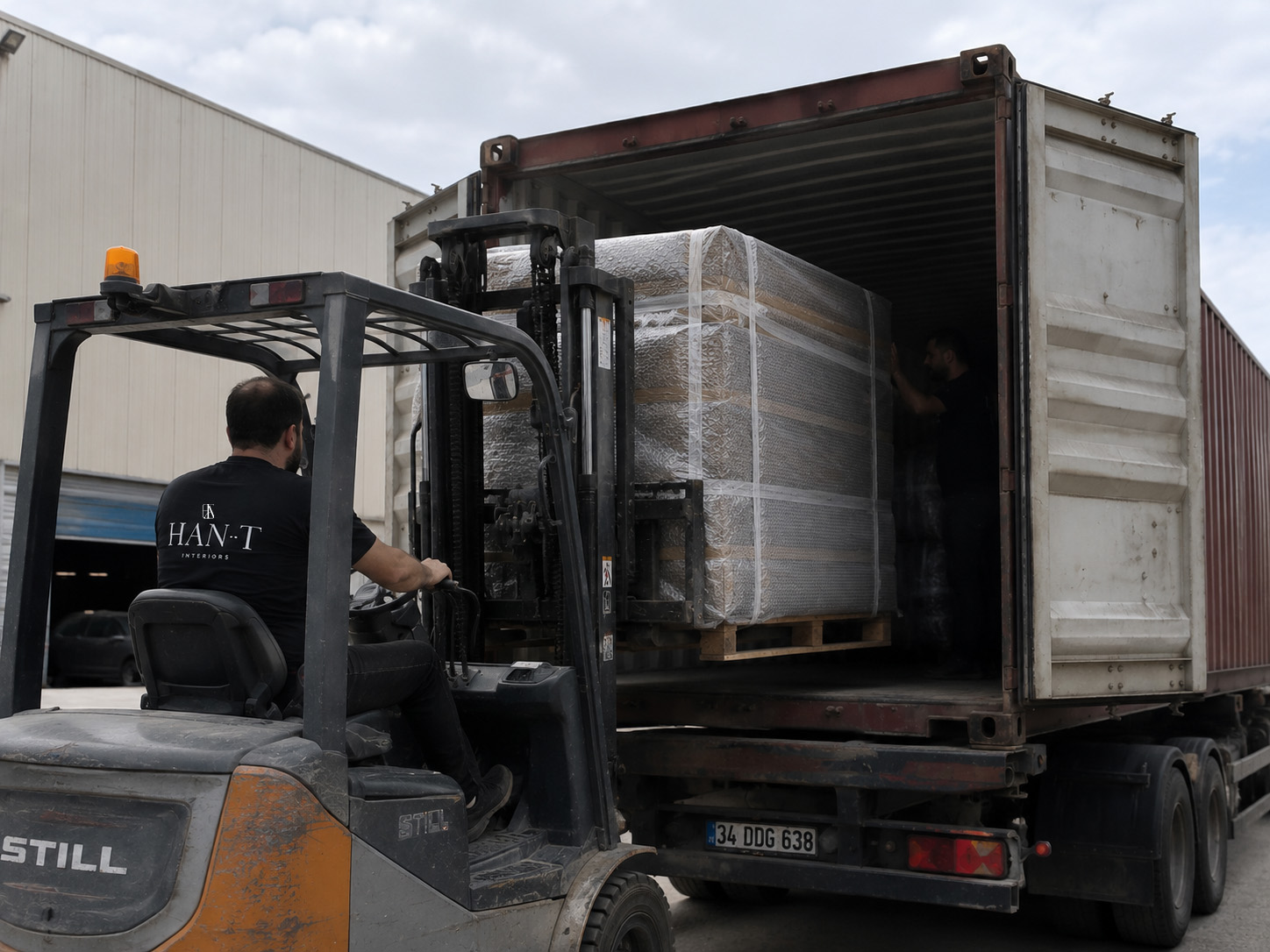
Packaging and Logistics
Furniture production does not end when the product leaves the factory.
Large or delicate furniture needs appropriate packaging to protect it during transportation.
Packaging requirements depend on:
- Product dimensions
- Material sensitivity
- Transportation distance
- Shipping method
- Installation requirements
International projects require additional planning.
Production schedules, packaging, logistics, customs, and installation need to be coordinated carefully.
This is particularly important for large furniture projects where multiple components need to arrive at the correct location in the correct sequence.
From Factory to Showroom
The showroom is where the customer finally experiences the furniture as a physical product.
A showroom should communicate more than dimensions and specifications.
It should demonstrate:
- Material quality
- Craftsmanship
- Comfort
- Functionality
- Design language
- Finishing quality
Furniture can also be displayed within a complete interior environment.
For example, a dining table can be presented with chairs, lighting, flooring, wall finishes, and accessories.
This allows customers to understand how individual products work together as part of a complete interior.
Why Custom Furniture Matters
Custom furniture provides designers with greater control over the relationship between architecture and furniture.
Instead of adapting the room to standard products, the furniture can be designed around the room.
This can improve:
- Space utilization
- Functionality
- Visual consistency
- Storage capacity
- Material coordination
- Brand identity
- User experience
For luxury interiors, this level of customization can make a significant difference.
Why Choose HAN-T for Furniture Design and Production?
HAN-T approaches furniture as part of the overall interior architecture rather than as a separate product.
The process can connect:
Interior Design → Furniture Design → Technical Development → Manufacturing → Quality Control → Logistics → Installation
This integrated approach helps maintain design consistency from the initial concept to the finished project.
HAN-T can develop bespoke furniture solutions for:
- Luxury villas
- Residential projects
- Hotels
- Restaurants
- Offices
- Retail spaces
- Showrooms
- Commercial interiors
The goal is to create furniture that is visually refined, technically appropriate, functional, and manufactured to the requirements of each project.
The Complete Furniture Design and Production Process
A professional furniture project can therefore be summarized as:
01 — Consultation
Understanding the project, space, requirements, budget, and objectives.
02 — Concept
Developing the initial design direction.
03 — Sketching
Exploring forms, proportions, materials, and functionality.
04 — 3D Visualization
Creating a detailed digital representation of the furniture.
05 — Technical Drawings
Developing precise manufacturing information.
06 — Material Selection
Selecting materials and finishes according to the project.
07 — Prototype
Testing complex furniture before full production when required.
08 — Manufacturing
Producing the approved furniture using modern machinery and craftsmanship.
09 — Quality Control
Inspecting materials, dimensions, finishes, and functionality.
10 — Logistics
Packaging and transporting the furniture safely.
11 — Installation
Installing the furniture at the project location.
12 — Showroom or Project Delivery
Presenting the completed furniture as part of the final interior.
Conclusion
Furniture design and production is a complete journey that transforms an initial idea into a physical product.
The process requires much more than good design.
Successful furniture depends on accurate technical development, appropriate materials, manufacturing precision, skilled craftsmanship, quality control, logistics, and professional installation.
For luxury villas, hotels, restaurants, offices, retail spaces, and commercial projects, bespoke furniture can create a stronger connection between architecture, functionality, and visual identity.
At HAN-T, furniture design and production can be integrated with interior architecture and project implementation, allowing each piece to be developed specifically for its environment.
From the first sketch to the final showroom or project installation, every stage matters.
If you are planning a residential or commercial interior project and need bespoke furniture designed and manufactured specifically for your space, HAN-T can help transform the concept into a finished product.
Start Your Project with HAN-T